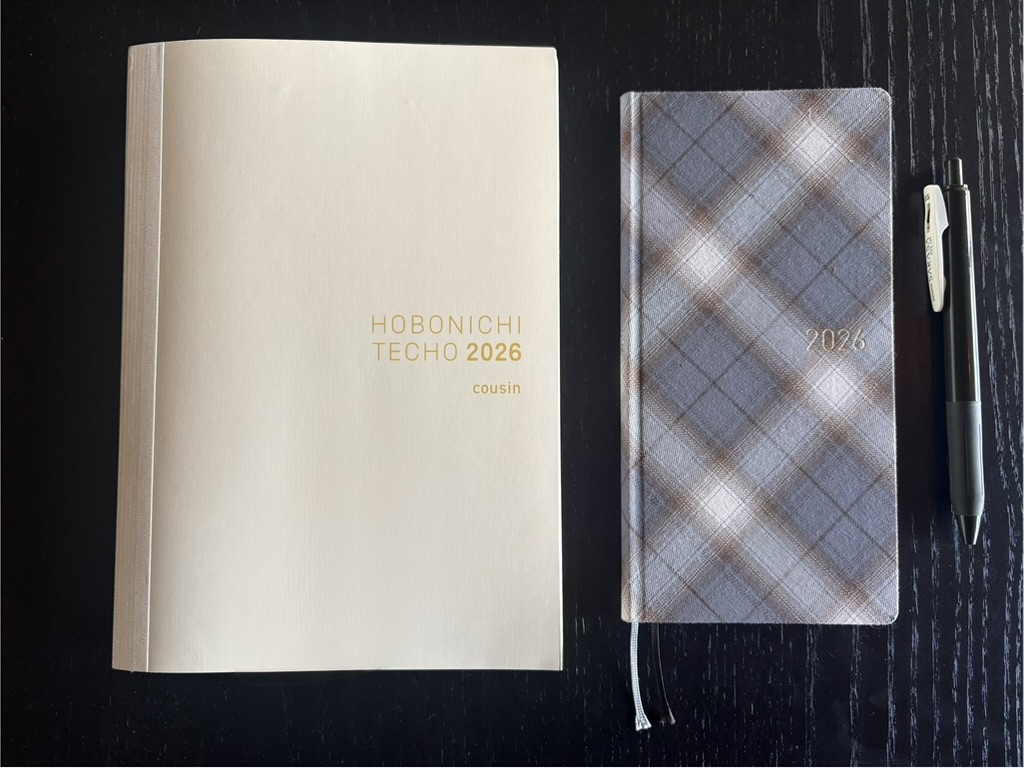
Some hobbies arrive slowly, building over years until you realise one day that they've quietly taken over a corner of your life. Others find you in an instant. Hobonichi was the latter.
I've always loved stationery — notebooks, diaries, beautiful pens, the particular excitement of cracking open something new. There has always been something deeply comforting about paper and the promise of a blank page. But I didn't know how far that love could go until a Hobonichi Techo landed in my hands for the first time.
Looking back, I honestly don't think The Daily Nib would exist if it hadn't. So it feels only right that this is where we begin.
A planner that started with a website
Surprisingly, Hobonichi didn't begin as a stationery company. Its story starts in 1998 with Japanese copywriter Shigesato Itoi, who launched a website called Hobo Nikkan Itoi Shinbun — usually shortened to Hobonichi. The site became known for its thoughtful essays, interviews, and reflections on everyday life. Rather than chasing productivity, it celebrated curiosity and paying attention to small moments that might otherwise go unnoticed. That philosophy, it turned out, would shape everything that came after.
In 2002, the first Hobonichi Techo was released.
The planner that didn't tell you how to plan
What made the Techo different wasn't what it offered — it was what it didn't demand. No productivity system to follow, no pre-printed time slots, no instructions on how to fill a page. Just one full page for every day of the year, printed on remarkable paper, and an unspoken invitation to decide for yourself what that page should become.
Some people use it as a planner. Others as a diary, a sketchbook, a scrapbook, a running log of books read and films watched and things overheard on the bus. The Hobonichi doesn't have a right way to be used, and I think that's exactly what draws people to it — and keeps them coming back year after year.
"Every Hobonichi slowly becomes a reflection of the person using it."
Why people fall in love
Part of the answer is the paper. Tomoe River paper is almost absurdly thin — a full year of daily pages fits into something barely thicker than a paperback — and yet it holds fountain pen ink beautifully, with almost no feathering or bleed-through. It shouldn't work. Somehow it does.
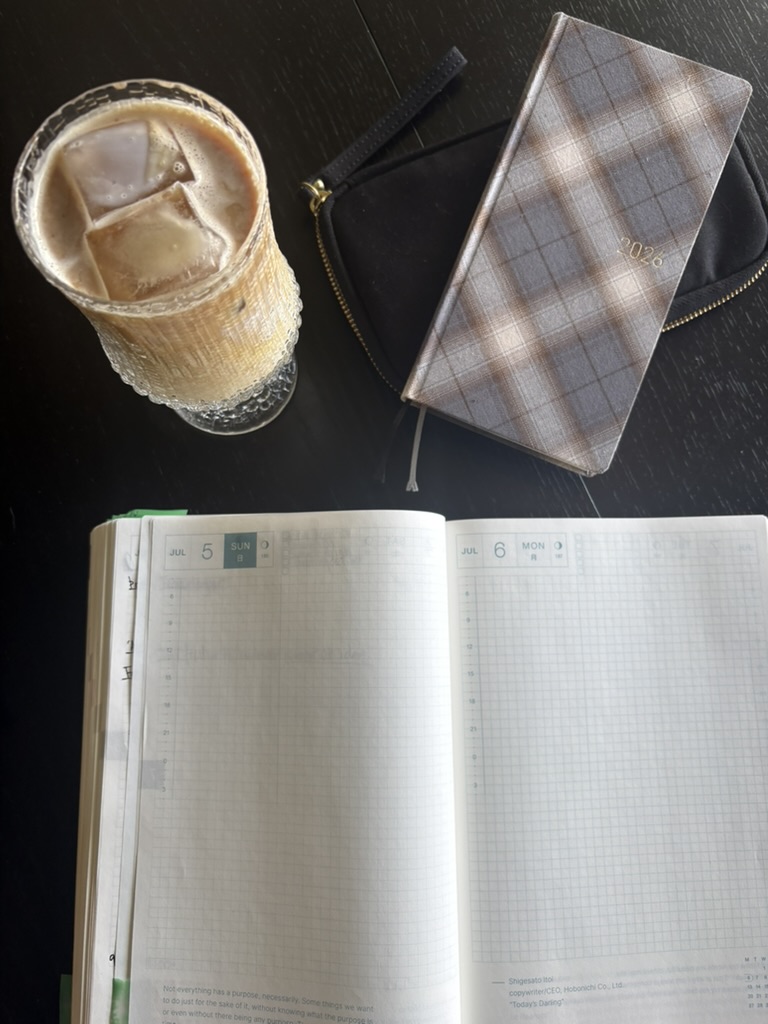
But the paper is only the beginning. What Hobonichi really does is make ordinary days feel worth documenting. A quiet morning, a good cup of coffee, a book you don't want to forget, a conversation that stayed with you longer than expected. Small things that might otherwise disappear. The Techo gives them a place to land.
Why it matters to me
When people ask why I care so much about stationery, I often think back to that first Hobonichi. It wasn't just a planner — it was a door. On the other side was Japanese craftsmanship, fountain pens, the strange pleasure of comparing paper weights, and the slowly dawning realisation that everyday objects, chosen with a little care, can bring genuine and lasting joy.
The Daily Nib exists, in a very real sense, because of that first planner. Thank you for being here.